
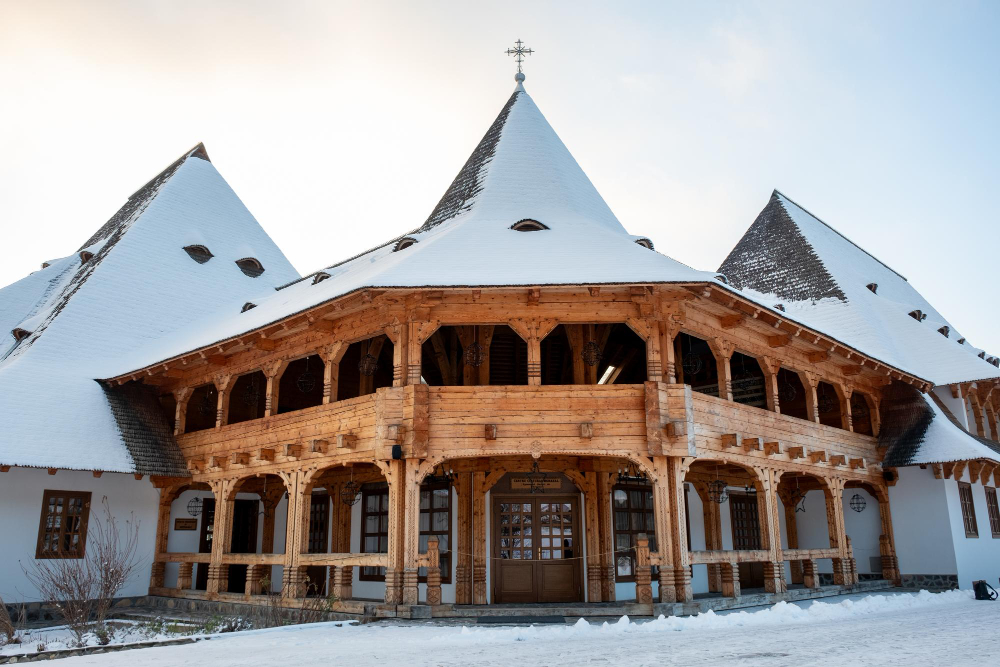
In the vast, whispering forests of Finland, where lakes mirror the midnight sun and snow blankets the earth for half the year, stands a quiet architectural legacy: the tiimatuvat. These modest wooden cottages—handcrafted from local timber and steeped in centuries of ingenuity—embody the Finnish spirit of resilience, simplicity, and profound harmony with nature. Often translated as communal or shared wooden dwellings (from “tiimatupa,” evoking a space for gathering), tiimatuvat are far more than shelters. They are living testaments to a culture that has thrived in one of Europe’s harshest climates, blending functional design with cultural symbolism.
Rooted in Finland’s agrarian past, tiimatuvat trace their origins to the 9th century, when log-building techniques arrived from eastern influences and merged with indigenous Sami goahti (tent-like huts) and early pit dwellings. By the 18th and 19th centuries, as rural communities sought self-sufficiency, these structures evolved into compact, heat-retaining homes. Farmers and herders built them with minimal tools yet masterful craftsmanship, using interlocking logs to create walls that defied blizzards and biting winds. Post-World War II, the rise of the beloved mökki—summer cottages—transformed tiimatuvat into seasonal retreats, preserving their essence while adapting to modern leisure. Today, they symbolize “sisu,” that uniquely Finnish quality of quiet determination, offering a blueprint for sustainable living amid climate challenges.
Architectural Hallmarks: Form Follows Nature
What defines a tiimatupa is its unpretentious elegance. Built on a human scale, these cottages prioritize warmth, light, and multifunctionality over ostentation. Exteriors feature horizontally laid logs of sturdy pine or spruce, precisely notched at corners for seamless interlocking—a technique that requires no nails or metal fasteners, ensuring both structural integrity and superior insulation. Foundations of local stone anchor the building against frost heave, while steeply pitched roofs, often clad in sod or shingles, shed heavy snow and provide natural drainage.
Interiors evoke a cocoon of wood and warmth. Open layouts encourage communal living, with a central fireplace or takka serving as the heart of the home—radiating heat while doubling as a cooking hearth. Windows, strategically small to minimize heat loss yet positioned for maximum daylight, frame views of forest or lake. Interiors are lined with unpainted beams, wool insulation, and linen textiles, creating an organic, tactile environment scented by resin and smoke. Many include an attached or nearby sauna hut, integral to Finnish life; a wood-fired savusauna (smoke sauna) offers the ultimate ritual of purification, followed by a plunge into icy waters.
Seasonal adaptability is masterful. Deep eaves protect against summer rains, while airtight joinery and efficient stoves combat winter’s grip. Ventilation systems—simple yet effective vents and openings—prevent condensation, balancing insulation with fresh air. This climate-responsive design reflects generations of empirical wisdom: every element serves survival without sacrificing beauty.
Materials and Craftsmanship: A Symphony of Sustainability
Tiimatuvat exemplify vernacular architecture at its purest. Builders source materials locally—spruce and pine for their straight grain and rot resistance, birch for lighter accents or decorative touches. Stone forms durable foundations and chimneys, clay seals gaps against moisture, and glass (introduced later) floods spaces with Nordic light. Wool and natural fibers provide breathable insulation, while thatch or sod roofs foster biodiversity on the structure itself.
Construction is a communal rite. Logs are felled in winter when sap is low, then scribed and fitted with traditional tools like the broadaxe and drawknife. Corners employ intricate “dovetail” or “saddle-notch” joints that expand and contract with humidity, preventing drafts. This zero-waste ethos—every scrap used for kindling or tools—embodies circular principles long before the term existed. Modern restorations often incorporate cross-laminated timber or triple-glazed windows, honoring the past while meeting contemporary energy standards.
Cultural Resonance and Living Traditions
Beyond shelter, tiimatuvat weave into Finland’s cultural fabric. They foster yhteisöllisyys—community spirit—through open spaces ideal for storytelling around the fire, shared meals of rye bread and salmon soup, or midsummer gatherings. The sauna ritual, central to tiimatuvat life, transcends hygiene; it is a democratic space where social hierarchies dissolve in steam and silence, reinforcing equality and renewal.
Symbolically, these cottages represent humanity’s respectful footprint on the wild. Finland’s “Everyman’s Rights” (jokamiehenoikeus)—allowing free access to nature with responsible stewardship—echo in tiimatuvat design, which treads lightly on the landscape. Regional variations enrich the story: Lakeland cottages perch on rocky shores with private docks; Lapland versions sport sod roofs and aurora vistas; eastern pine-forest retreats embrace folk traditions of smoky saunas and berry foraging.
Modern Echoes: From Heritage to Eco-Harmony
In the 21st century, tiimatuvat inspire architects worldwide. Contemporary eco-lodges reinterpret the form with panoramic glazing, heat pumps, and solar integration, yet retain the modest footprint and natural palette. Designers like those drawing from Alvar Aalto’s organic modernism blend tradition with innovation, proving these dwellings’ relevance in an era of climate urgency. Preservation efforts restore century-old examples, while new builds in national parks offer immersive stays that educate visitors on sustainable living.
A Practical Guide to Experiencing Tiimatuvat
To truly understand tiimatuvat, one must immerse in them. Seek them in southern archipelagos for kayaking idylls, central Lakeland for blueberry-thick mornings, or Lapland fells for reindeer trails and northern lights. Book via platforms highlighting heritage properties; peak seasons (June–August summer, December–March winter) fill quickly, but shoulder months offer solitude.
Pack layers, wool socks, and sauna essentials: a lightweight towel, water bottle, and birch whisk (vihta). Respect etiquette—rinse before entering, embrace the löyly (steam), and alternate heat with cold plunges. Practice sustainability: burn seasoned wood sparingly, sort waste meticulously, and follow leave-no-trace principles. Activities flow naturally—dawn paddling, forest foraging, fireside reading under the midnight sun, or cross-country skiing through snow-laden pines.
Tiimatuvat are not relics but living invitations to slow down, reconnect, and build with intention. In their timber embrace, one discovers not just architecture, but a philosophy: live lightly, gather warmly, endure gracefully. As global conversations turn toward regenerative design, these humble Finnish cottages offer timeless lessons—proof that the most enduring structures are those born of respect for place, people, and planet. Whether you visit one by a silent lake or dream of building your own, the tiimatuvat whisper an eternal truth: home is where the forest meets the fire.