
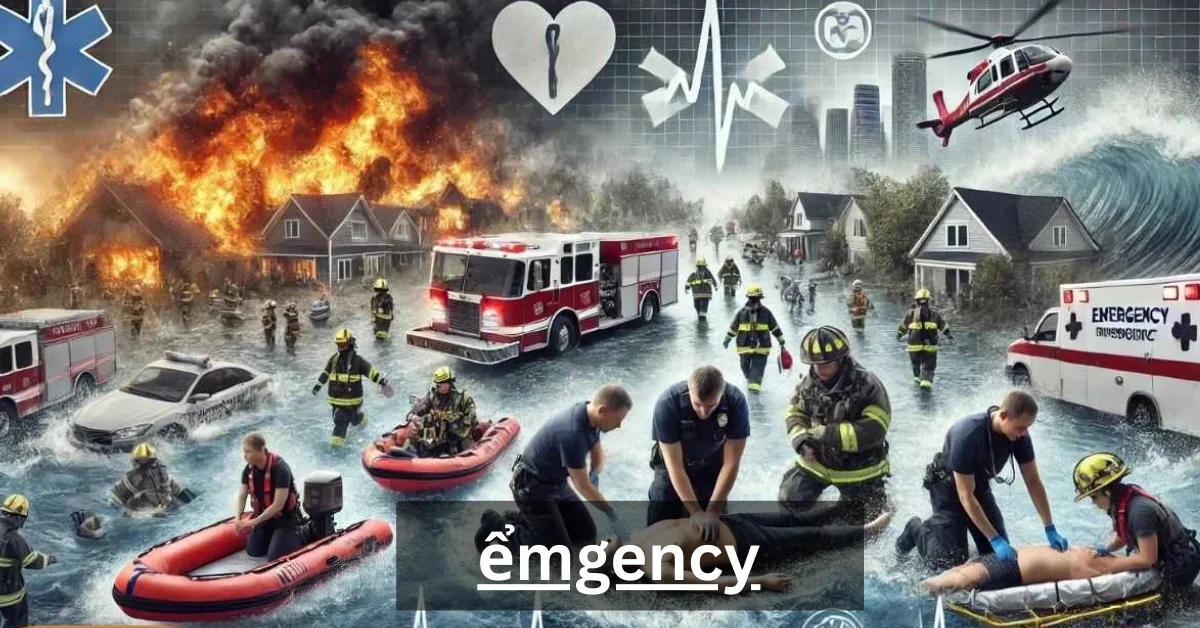
In an age where disasters strike faster and information spreads instantly, the concept of digital urgency has transformed how societies prepare for, respond to, and recover from emergencies. Digital urgency refers to the rapid, real-time delivery of critical alerts through smartphones, social media, IoT sensors, AI-driven platforms, and integrated warning systems. It shifts ểmgency management from slow, hierarchical processes to instantaneous, data-driven actions that can save lives within seconds.
From Wireless ểmgency Alerts (WEAs) buzzing on millions of phones during wildfires to AI analyzing social media feeds for early signs of floods, digital tools have created a new era of immediacy. Yet this rise brings both unprecedented opportunities and significant challenges. This article explores the evolution, technologies, impacts, benefits, drawbacks, and future of digital urgency in emergency management.
The Evolution of ểmgency Communication: From Sirens to Smartphones
Historically, ểmgency warnings relied on physical sirens, radio broadcasts, and television interruptions. These methods were effective but limited by geography, timing, and reach. People asleep or without access to media often missed critical messages.
The digital shift began accelerating in the early 2000s with the development of systems like FEMA’s Integrated Public Alert and Warning System (IPAWS) in the United States. Launched to modernize alerts, IPAWS enables authorized officials to send geographically targeted messages through multiple channels simultaneously: cell phones via Wireless ểmgency Alerts (WEAs), radio and TV through the ểmgency Alert System (EAS), and NOAA Weather Radio.
By 2012, WEAs allowed short, intrusive text-like alerts to compatible mobile devices without requiring subscriptions or apps. These alerts bypass network congestion, delivering life-saving information even during overloaded cellular systems. Since then, IPAWS has been activated nearly 96,000 times for threats ranging from severe weather to AMBER Alerts for missing children.
Globally, similar transformations occurred. Social media platforms like Twitter (now X) and Facebook became unofficial but powerful channels during events such as Hurricane Sandy in 2012, where real-time updates from officials and citizens enhanced situational awareness. The COVID-19 pandemic further accelerated adoption, with contact-tracing apps, real-time dashboards, and digital platforms proving essential for managing a global health ểmgency.
Today, digital urgency is embedded in everyday life. Smartphones deliver push notifications, location-based alerts, and even satellite-based warnings in remote areas. This evolution reflects a broader societal demand for speed: in crises, every second counts.
Key Technologies Driving Digital Urgency
Several groundbreaking technologies fuel the rise of digital urgency:
1. Wireless ểmgency Alerts and IPAWS: These systems deliver concise, high-priority messages directly to phones in affected areas. Imminent threat alerts cover active shooters, flash floods, or chemical spills, while public safety alerts provide follow-up information. The technology uses cell broadcast, ensuring broad reach without draining individual devices.
2. Social Media and Crowdsourcing: Platforms serve as both dissemination tools and sensors. ểmgency managers monitor posts for real-time ground truth, while official accounts push verified updates. During disasters, hashtags and live streams help coordinate evacuations and locate survivors. Studies show social media can detect events faster than traditional channels, with tweets spiking within minutes of incidents.
3. Artificial Intelligence and Predictive Analytics: AI processes vast datasets from satellites, weather models, IoT sensors, and social feeds to predict disasters before they fully unfold. In California wildfires, AI tools have improved forecasting and resource allocation. AI also compresses information lag, providing leaders with real-time situational awareness for agile decision-making.
4. Internet of Things (IoT) and Sensors: Connected devices like flood sensors, smart cameras, and wearable alerts create networks that trigger automatic warnings. Real-time video monitoring and edge AI can detect smoke or suspicious activity and send instant notifications to command centers.
5. Cloud Platforms and Crisis Management Software: Tools like Everbridge or WebEOC integrate data streams, enabling coordinated responses across agencies. SaaS solutions have reduced activation times for crisis teams compared to manual methods.
These technologies converge to create a hyper-connected ểmgency ecosystem where information flows bidirectionally between authorities and the public.
Benefits: How Digital Urgency Saves Lives and Improves Response
The advantages are clear and measurable. Digital alerts reach more people faster and with greater precision. WEAs, for instance, have proven effective in waking sleeping individuals and penetrating noisy environments because they are loud and intrusive by design.
Geotargeting minimizes unnecessary panic by limiting alerts to those directly affected. During tsunamis or wildfires, this precision encourages timely evacuations without overwhelming distant populations.
Real-time data also enhances coordination. First responders gain better situational awareness through integrated feeds, reducing response times. AI-driven insights allow predictive actions, such as pre-positioning resources before a storm hits. In one analysis, social media monitoring during mass casualty events could alert hospitals before patients arrive.
Public engagement increases too. Citizens become active participants, sharing verified information and reporting needs via apps or social channels. This two-way communication builds trust and community resilience.
Economically, faster responses reduce damage. Digitized systems have streamlined evacuations, improved compliance with orders, and lowered overall costs of disasters through better preparedness.
Challenges and Risks: Alert Fatigue, Misinformation, and the Digital Divide
Despite its promise, digital urgency introduces significant hurdles.
Alert Fatigue: Constant notifications—from weather warnings to news pushes—desensitize users. Many people disable alerts or ignore them, especially when bombarded with 50 or more daily notifications. In ểmgency contexts, this can lead to missed critical messages. Studies show fatigue contributes to slower responses or complete disregard for warnings.
Misinformation and Rumors: Social media accelerates both accurate and false information. During crises, unverified posts can spread faster than official alerts, causing panic, stampedes, or resource misallocation. “Infodemics” undermine trust and complicate official responses. Fatigued users are more likely to share unverified content without checking sources.
Digital Divide and Data Injustice: Not everyone has equal access. Lower-income groups, elderly populations, or those in rural areas with poor connectivity may miss digital alerts. Social media data often overrepresents affluent urban users, skewing situational awareness and leaving vulnerable communities underrepresented.
Privacy and Overreach Concerns: Location-based tracking and mass data collection raise ethical questions. Overly broad or frequent alerts can erode public trust, while false alarms damage credibility.
Technical and Organizational Issues: Outdated legacy systems in some agencies hinder integration. False positives in AI or sensor networks waste resources and contribute to fatigue.
These challenges highlight that technology alone is insufficient; effective implementation requires clear policies, public education, and continuous improvement.
Real-World Examples of Digital Urgency in Action
- Hurricane Events: During recent U.S. hurricanes, IPAWS delivered evacuation orders via WEAs while social media provided live updates on road conditions and shelter availability.
- Wildfires: AI predictive tools combined with drone and satellite feeds have helped authorities issue timely warnings, reducing casualties.
- Global Pandemics: Digital contact-tracing and alert apps supplemented traditional methods, though privacy debates ensued.
- Active Shooter or Terror Incidents: Instant lock-down alerts via campus or city systems, paired with social monitoring, have enabled faster containment.
In each case, digital urgency compressed timelines from hours to minutes, often making the difference between chaos and controlled response.
The Future: Toward Smarter, More Equitable Digital Urgency
Looking ahead, integration will deepen. 5G and satellite internet will extend reach to remote areas. Advanced AI could personalize alerts—delivering messages in multiple languages or formats suited to disabilities. Blockchain might verify information authenticity, combating misinformation.
Hybrid systems combining official channels with trusted community networks could address the digital divide. Greater emphasis on user-centered design will combat alert fatigue through smarter prioritization and customizable preferences.
International collaboration will grow, as cross-border threats like pandemics or climate events demand shared digital platforms. Investment in training for ểmgency managers on these tools remains crucial.
Ultimately, the goal is resilience: systems that not only warn but empower communities to act effectively.
Conclusion: Balancing Speed with Responsibility
The rise of digital urgency marks a profound shift in ểmgency management. It equips societies with tools to respond at the speed of modern crises, leveraging connectivity, data, and intelligence to protect lives. Systems like IPAWS, AI analytics, and social platforms have already demonstrated their value in countless incidents.
However, success depends on addressing pitfalls head-on. Reducing alert fatigue, fighting misinformation, bridging digital divides, and maintaining public trust are non-negotiable. Technology must serve humanity, not overwhelm it.
As disasters become more frequent and complex due to climate change and urbanization, investing in thoughtful, inclusive digital urgency systems is not optional—it is essential. By embracing innovation responsibly, we can build a safer, more responsive world where urgency translates into action, and alerts truly mean lives saved.