
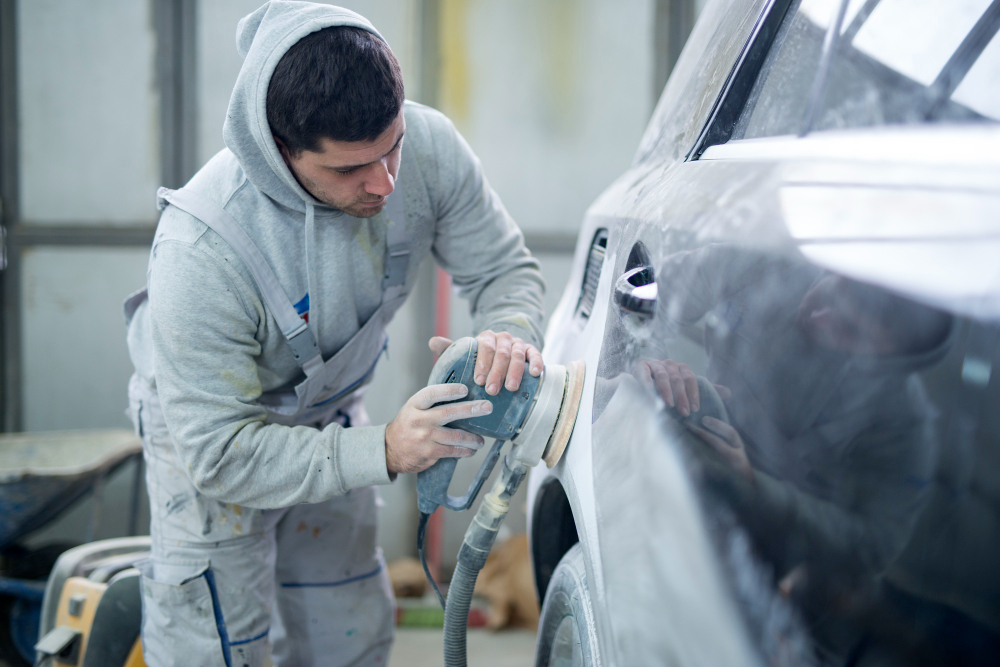
In the realm of automotive care, one of the most common—but often visually disruptive—issues drivers encounter is dents. Whether it’s from a stray shopping cart in a parking lot, a wayward door ding in tight spaces, or minor impacts from hailstorms, dents can significantly impact a vehicle’s appearance and sometimes its value. Fortunately, modern dent repair technology has evolved drastically, and at the forefront of this revolution is the Ausbeulstation—a specialized dent‑repair station offering efficient, high‑quality results without the high costs and long timelines traditionally associated with bodywork.
In this comprehensive guide, we’ll explore what an Ausbeulstation is, how it works, why it’s become a go‑to solution for minor collision repair, its benefits and limitations, and how to choose the right service for your vehicle.
What Is an Ausbeulstation?
An Ausbeulstation is a dedicated facility or workshop equipped with advanced tools, trained technicians, and specialized techniques focused on repairing dents and minor body damage without full repainting or panel replacement. The term derives from the German word ausbeulen, meaning “to pull out” or “to push out,” reflecting its core purpose: restoring dents back to their original shape.
Unlike traditional body shops that may take days or weeks and involve sanding, repainting, and extensive panel work, an Ausbeulstation uses more refined, often paintless, methods that are quicker, more cost‑effective, and preserve the original finish of the vehicle.
The Evolution of Modern Dent Repair
Dent repair technology has come a long way:
1. Traditional Bodywork
The conventional approach to fixing dents involved sanding, filling, and repainting the affected panel. While effective for severe damage, this method is labor‑intensive and can disrupt the original paint integrity.
2. Paintless Dent Repair (PDR)
Modern advancements led to Paintless Dent Repair (PDR)—a technique that revolutionized dent removal. Rather than replacing or repainting, technicians access the backside of the dented area and gently massage the metal back into shape using specialized tools.
Benefits include:
- Fast turnaround (often same‑day)
- Preserves original paint
- Lower cost
- Minimal environmental impact
An Ausbeulstation combines PDR expertise with professional workflows, ensuring consistent and high‑quality outcomes.
How Does an Ausbeulstation Work? Step‑by‑Step
Understanding the process helps demystify the service and highlights what separates a quality repair station from lower‑grade workshops.
1. Initial Inspection
Before any work begins, technicians assess:
- Dent size, depth, and location
- Paint condition
- Access to the backside of the panel
Not all dents are suitable for PDR; factors like sharp creases, stretched metal, or paint damage may require more traditional techniques.
2. Access Planning
PDR requires reaching the interior surface of the dent. Technicians create access through:
- Door openings
- Removing interior panels
- Accessing wheel wells or trunk spaces
This careful planning prevents unnecessary panel damage.
3. Specialized Tool Work
Using rods, picks, and tap‑downs, the technician applies controlled force from behind the panel to slowly push the metal back into shape. Precision is key; small adjustments are made repeatedly until the surface is smooth.
4. Light Finishing
For areas where PDR can’t fully refine the surface, technicians may use minimal fillers and polish the panel to blend any remaining imperfections.
5. Final Quality Check
The vehicle is inspected under varied lighting conditions to ensure the repair meets visual and structural standards.
Benefits of Choosing an Ausbeulstation
1. Preserves Original Paint
One of the biggest advantages is maintaining the vehicle’s original paintwork, which is crucial for resale value and overall appearance.
2. Faster Service
Unlike traditional bodywork, which can take several days to weeks, dent repair at an Ausbeulstation is often completed within hours or a single day.
3. Cost‑Effective
Without the need for repainting or panel replacement, labor and materials costs are significantly reduced.
4. Environmentally Friendly
By minimizing the use of paints, fillers, and chemicals, PDR and related techniques are more eco‑friendly than traditional methods.
5. High Precision
Trained technicians using state‑of‑the‑art tools can achieve results that are visually indistinguishable from factory finishes.
Common Types of Repairs at an Ausbeulstation
Here are some of the typical jobs handled efficiently:
Door Dings
These small dents often occur in parking lots from other car doors. They’re usually shallow and perfect candidates for PDR.
Hail Damage
Hail can cause multiple tiny dents across large surfaces. Ausbeulstations equipped to handle hail damage can restore panels efficiently in bulk.
Minor Collision Damage
Impacts that don’t break paint or severely crease metal can often be resolved.
Creases and Body Edge Dents
With advanced techniques, even moderate dents near body edges or creases can be treated, depending on access.
Limitations: When PDR May Not Be Suitable
Despite its advantages, not all dents can be fixed with paintless methods:
Paint Damage
If the paint is cracked, chipped, or heavily scratched, repainting may be necessary.
Sharp Creases
Severe dents with metal stretched beyond elasticity can require traditional bodywork.
Restricted Access
Some areas of the car may not allow enough access behind the dented panel for effective pushing.
Large or Complex Damage
Extensive structural damage or deep impacts may be outside the scope of an Ausbeulstation’s services.
In these cases, technicians will recommend alternative repair options or refer to full‑service body shops.
How to Choose a Quality Ausbeulstation
Not all repair stations are created equal. Here’s what to look for:
1. Certified and Trained Technicians
Ask about certifications, training programs, and experience levels. PDR is an art as much as a technical skill.
2. Portfolio of Before/After Work
A reputable station should have documented examples of previous successful repairs.
3. Warranty or Service Guarantee
Quality providers back their work with guarantees, ensuring peace of mind.
4. Transparent Quotes
Avoid shops that give vague estimates. A clear breakdown of costs helps you understand what you’re paying for.
5. Customer Reviews
Check online reviews and testimonials to gauge reliability and customer satisfaction.
DIY vs Professional Repair
While there are many DIY dent‑removal kits on the market promising easy fixes using suction tools or knockdown hammers, these often fall short:
- They may damage paint
- They can cause uneven surfaces
- They lack the nuanced control of professional tools
For minor cosmetic issues, DIY might be tempting, but for best results—and to protect your vehicle’s value—professional services like those offered at an Ausbeulstation are strongly recommended.
Cost Expectations
The price of dent repair varies based on:
- Size and depth of the dent
- Accessibility
- Number of dents
- Vehicle type
Generally, PDR at an Ausbeulstation is significantly less expensive than traditional bodywork. Many insurers now recognize and recommend PDR as a cost‑effective repair method, often approving claims for dents suitable for this process.
Conclusion: Why Ausbeulstation Is the Future of Dent Repair
As vehicles become more expensive to maintain and more buyers care about aesthetics and resale value, the demand for high‑quality, cost‑effective dent repair solutions grows. Ausbeulstations represent a modern, efficient chapter in automotive care—offering faster services, preserving original paintwork, reducing costs, and achieving excellent results.
Whether you’re a daily commuter, car enthusiast, or simply someone who wants to keep their vehicle looking its best, considering an Ausbeulstation for your next dent repair can save time, money, and stress. With the right provider, your car’s body can be restored to a near‑factory condition—often within hours.