
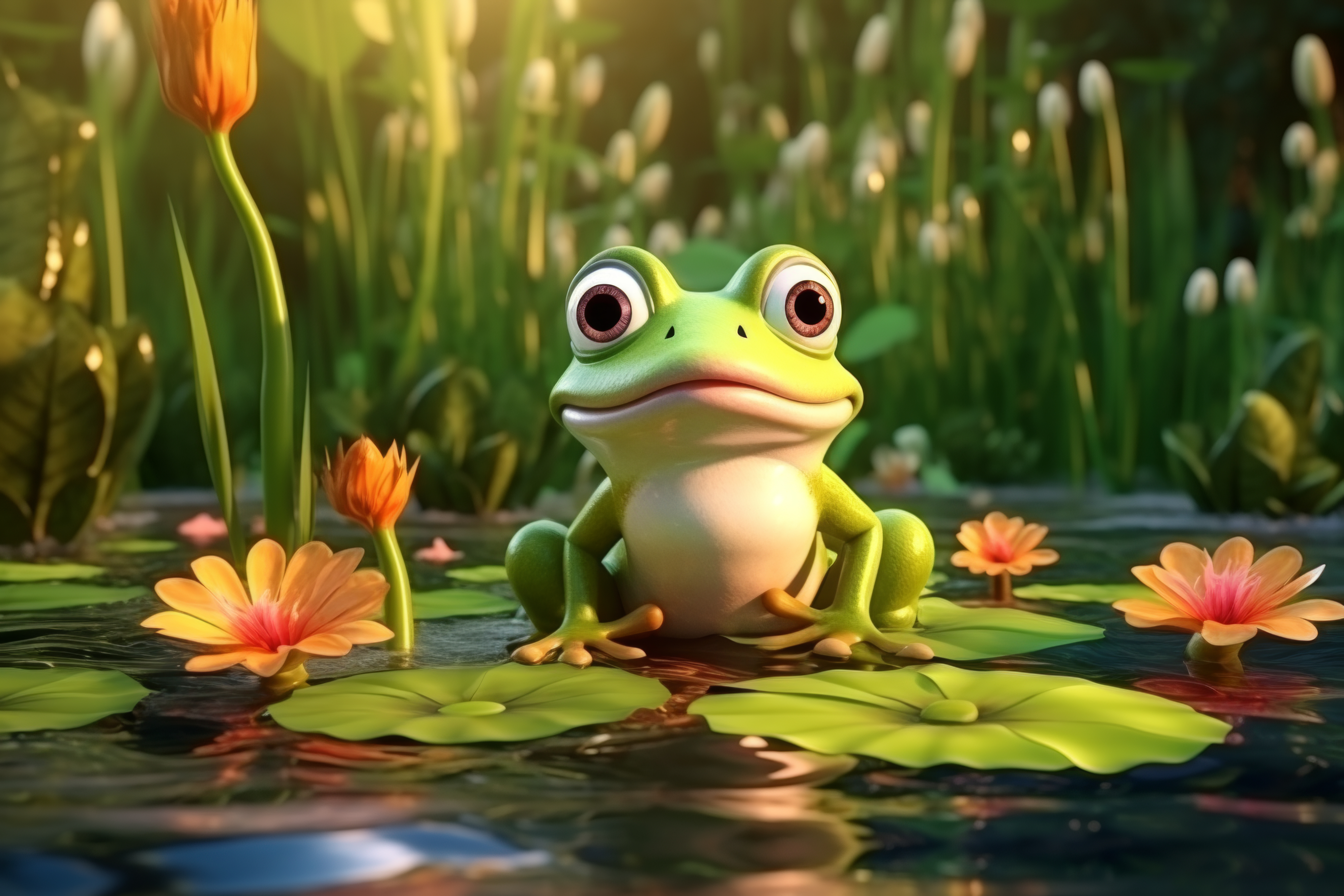
Hey there, pond explorers and frog fans! It’s your favorite amphibian enthusiast, Froggyana, here to hop right into one of nature’s coolest hidden worlds: the secret life of lily pads. You know those big, round green discs floating lazily on ponds and lakes? They look simple, but they’re buzzing with drama, engineering genius, and ecosystem magic. Grab a lily pad seat (metaphorically—don’t sink!), and let’s dive deep into what makes these floating wonders tick.
Introduction to the Lily Pad Universe
Lily pads aren’t just pretty pond decorations. They’re the leaves of aquatic plants, mainly from the water lily family (Nymphaeaceae), like the common white water lily (Nymphaea odorata) or the massive Amazonian giant water lily (Victoria amazonica). These aren’t the same as lotus leaves—lotus pads rise above the water like proud umbrellas, while true lily pads float right on the surface with a signature notch cut into each leaf.
Froggyana’s hot take: Lily pads are the ultimate chill zone for frogs like me. We perch on them to sunbathe, hunt bugs, and escape bigger predators. But there’s way more going on beneath (and above) that calm green surface. These pads are survival masters in a watery world.
Architectural Marvel: How Lily Pads Stay Afloat
Ever wonder why a lily pad doesn’t sink even when a frog (or a kid in stories) sits on it? It’s all about clever design.
The leaf is broad, flat, and coated with a super-hydrophobic waxy cuticle on top. Water beads right off like on a brand-new car wax job—no pooling means the pad stays dry and buoyant. Underneath, the structure gets even cooler: a network of air-filled spaces called aerenchyma runs through the petiole (the long, flexible stem connecting the pad to the roots). These air pockets act like built-in floaties, keeping the whole thing buoyant.
For the giant Amazonian water lily, pads can grow over 3 meters wide with upturned edges and radial ribs like spokes on a wheel. This ribbing distributes weight evenly—strong enough that in legends (and some real demos), a small child can stand on one without sinking! The underside often has sharp thorns to deter hungry fish from nibbling.
Froggyana secret: Those thorns? They’re my built-in security system. One wrong hop from a predator, and ouch—nature’s anti-theft device.
Photosynthesis Powerhouse: Sunlight and Survival
Lily pads are basically solar panels on water. Their large surface area maximizes sunlight capture for photosynthesis. Stomata (tiny pores for gas exchange) are only on the upper surface—smart, since the bottom is underwater. The waxy coating keeps them from drowning while allowing CO2 in and oxygen out.
In murky ponds with low nutrients, this efficiency is key. The pads shade the water below, cooling it and reducing algae blooms by blocking excess light. Less algae means clearer water and less competition for the water lily itself.
Froggyana observation: On hot days, I love chilling under the shade of a big pad. It’s like nature’s AC—frogs stay cool, fish hide from birds, and the whole pond ecosystem breathes easier.
The Hidden World Below: A Miniature Ecosystem
Flip a lily pad over (gently!), and you’ll see a bustling underwater city. The roots and submerged stems dangle into the depths, anchored in mud but reaching up through the water column. These create a three-dimensional habitat: stems offer hiding spots, roots trap sediments and nutrients, and the undersides become nurseries.
Fish dart between the stems for protection from predators. Tadpoles munch on algae growing on the pads. Dragonfly larvae cling and hunt. Invertebrates like snails and insects lay eggs here. Frogs (yours truly) use the pads as launchpads for hunting flies or escaping herons.
The pads also oxygenate the water through their roots and help filter pollutants—absorbing excess nutrients that could cause algal overgrowth. In a way, lily pads are the pond’s natural janitors and bodyguards.
Froggyana fun fact: Alligators in southern ponds sometimes lurk among lily pads, using them as camouflage. Sneaky! But mostly, it’s a peaceful frog paradise.
Symbiotic Relationships and Wildlife Interactions
Lily pads don’t live alone—they’re team players. Pollinators like bees, beetles, and even some flies visit the fragrant flowers (which often bloom at night or dawn to attract specific insects). After pollination, flowers close and sink, developing seeds underwater.
Frogs, turtles, and birds rely on them. Frogs hop across pads like natural stepping stones. Red-winged blackbirds perch on stems. Beavers and muskrats munch on them (sorry, plants!), but the pads regrow fast.
In folklore and stories, lily pads symbolize transformation—frogs leaping from pad to pad mirror metamorphosis from tadpole to adult. In ecosystems, they literally support that cycle: tadpoles hide among roots, adults bask on pads.
Froggyana wisdom: Without lily pads, many pond critters would lose their homes. They’re the glue holding the food web together.
Myths, Misconceptions, and Cultural Vibes
People often confuse water lilies with lotuses. Lotus leaves and flowers stand tall above water; lily pads hug the surface. Lotus blooms are symbolic in many cultures (enlightenment, purity), while water lilies represent rebirth and hidden beauty.
In kids’ tales, frogs “live” on lily pads—cute, but we actually use them as platforms. The giant Amazonian water lily inspired biomimicry ideas, like floating cities that mimic pad buoyancy for sustainable urban designs.
Froggyana debunk: No, lily pads don’t make frogs magically appear. But they do make perfect frog real estate!
Why Lily Pads Matter: Conservation and Wonder
In a changing world, lily pads face threats: pollution, invasive species, habitat loss from drainage, and climate shifts altering water levels. Protecting ponds preserves these floating ecosystems.
They remind us nature’s simplest things are often the most complex. A single pad supports dozens of lives, balances water quality, and adds serene beauty to our landscapes.
Froggyana’s closing croak: Next time you see a lily pad, don’t just admire the flower—think about the secret life thriving on, under, and around it. It’s a whole world in green. Hop on over and appreciate it. Ribbit responsibly!