
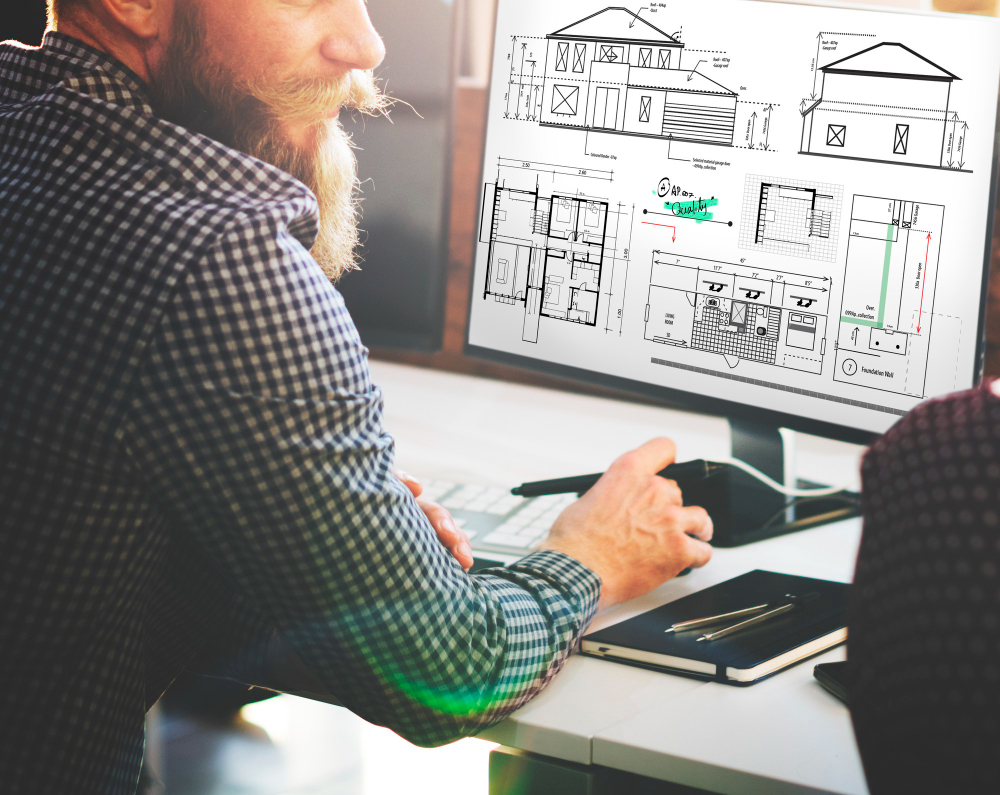
In an era where the construction and infrastructure industries are embracing digital transformation, Building Information Modeling (BIM) has become a cornerstone of efficient design, collaboration, and lifecycle management. Among companies pioneering comprehensive BIM solutions, IngeBIM stands out as a provider of advanced BIM Modeling, Coordination, and Digital Twin Services that help stakeholders accelerate project delivery while optimizing quality and reducing risks.
Understanding BIM: The Digital Backbone of Modern Construction
What is BIM?
Building Information Modeling (BIM) is more than 3D modeling. It’s a collaborative process that generates and manages digital representations of physical and functional characteristics of a facility or infrastructure throughout its lifecycle—from design and construction to operations and maintenance.
At its core, BIM provides:
- Parametric 3D models
- Accurate data and metadata associated with elements
- Collaborative decision‑making platforms
Effective BIM implementation leads to greater accuracy, fewer errors, and higher productivity.
Who Is IngeBIM?
IngeBIM is a technology‑driven service provider specializing in digital construction solutions. By offering expertise in BIM Modeling, Coordination, and Digital Twin Services, IngeBIM helps clients—from architects and engineers to construction firms and owners—leverage data and automation to improve outcomes across project phases.
Their portfolio spans a wide range of industries, including:
- Commercial and residential buildings
- Industrial plants and factories
- Infrastructure projects such as transport and utilities
- Healthcare and institutional facilities
But what differentiates IngeBIM isn’t just technical skill—it’s the integration of BIM with real‑world workflows and data.
BIM Modeling Services – Foundation of Intelligent Designs
What Is BIM Modeling?
At its essence, BIM Modeling is the development of a digital representation containing geometry, spatial relationships, geographic information, and rich data attributes. This model becomes a shared source of truth accessible to all stakeholders.
IngeBIM’s Approach to BIM Modeling
IngeBIM emphasizes accuracy, consistency, and compliance with industry standards such as ISO 19650, US‑based LOD specifications, and project‑specific BIM Execution Plans (BEPs). Their services typically include:
1. 3D BIM Model Creation
Creating fully detailed 3D models from:
- 2D drawings
- Design files (e.g., AutoCAD, Revit, ArchiCAD)
- Point clouds and laser scans
Deliverables include architectural, structural, and MEP (Mechanical, Electrical, Plumbing) discipline models that are federated for coordination.
2. BIM Content Development
Standardized and reusable BIM content like families, templates, and object libraries tailored to client requirements.
3. Scan‑to‑BIM Services
Transforming point cloud data—captured via laser scanning or drones—into precise BIM models for retrofit or renovation projects.
4. BIM Data Validation
Ensuring data integrity, parameter accuracy, and compliance with client or industry standards.
BIM Coordination Services – Reducing Clash Risk and Streamlining Collaboration
The Challenge: Coordination in Complex Projects
Modern construction involves multiple disciplines working concurrently—each with its own model. Without proper coordination, these models can conflict, leading to clashes, rework, and delays.
IngeBIM’s Coordination Workflow
IngeBIM’s BIM Coordination Services ensure that individual models integrate smoothly and functionally. This includes:
1. Clash Detection and Resolution
Using tools like Navisworks, BIM 360, or Solibri, models are reviewed for:
- Geometric clashes (e.g., a duct colliding with a beam)
- Spatial conflicts
- Sequence clashes related to construction sequencing
Detected clashes are categorized, tracked, and resolved in coordination meetings.
2. Collaborative Coordination Sessions
Weekly or milestone coordination reviews with stakeholders to communicate design intents and resolution plans.
3. Model Federation
Combining discipline models into a federated model for overall integrity checks and downstream workflows.
4. Reporting and Dashboards
Automated reports help visualize clash trends, status, and remaining issues using dashboards and analytical tools.
By proactively addressing conflicts before they reach the job site, IngeBIM supports smoother construction and reduced rework costs.
Digital Twin Services – The Next Step in Asset Intelligence
What Is a Digital Twin?
A Digital Twin is a live digital replica of a physical asset—updated in real time or near real time using sensors, IoT devices, and operational data. Unlike traditional BIM models, Digital Twins deliver:
- Real‑world performance tracking
- Predictive maintenance
- Operational analytics
- Lifecycle optimization
IngeBIM’s Digital Twin Solutions
IngeBIM bridges the gap between static BIM data and dynamic asset performance by delivering Digital Twin capabilities that empower owners and operators throughout the asset’s lifecycle:
1. Digital Twin Model Setup
Converting BIM models into operational Digital Twins with:
- Semantic data integration
- Sensor connectivity
- APIs and dashboards
2. Real‑Time Monitoring
Connecting real‑time data streams—such as environmental sensors, HVAC performance, or occupancy metrics—to the digital model for continuous insight.
3. Lifecycle Management Dashboards
Interactive platforms for monitoring asset health, maintenance scheduling, energy performance, and utilization trends.
4. Predictive Analytics
Using machine learning models to forecast failures, maintenance needs, or performance drops before they occur.
Digital Twin technology becomes especially powerful for large facilities like hospitals, industrial plants, and campuses where operational efficiency is vital.
Benefits of Choosing IngeBIM Services
1. Higher Accuracy, Lower Risk
By following stringent modeling standards and quality assurance workflows, IngeBIM minimizes errors that lead to costly downstream issues.
2. Improved Communication
Coordinated BIM models become a common language among architects, engineers, contractors, and owners—reducing misunderstandings.
3. Faster Project Delivery
Clash detection and early coordination help avoid construction delays and costly rework.
4. Lifecycle Value
Digital Twin integration extends the usefulness of BIM beyond design and construction into operations, maintenance, and sustainability optimization.
5. Scalability
IngeBIM’s services can support projects ranging from small renovations to large multi‑discipline infrastructure developments.
Integration With Industry Standards and Tools
IngeBIM operates within the framework of global standards, ensuring interoperability and consistency. Key standards and tools include:
- ISO 19650 – International standards for BIM information management
- LOD (Level of Development) specifications – Ensuring models meet required detail levels
- Common Data Environments (CDEs) – Centralized platforms for shared project data
- Software Tools: Autodesk Revit, Navisworks, Bentley Systems, BIM 360, Solibri, and more
Interoperability supports seamless exchange of model data across platforms.
Real‑World Use Cases
Case Study 1: Commercial Tower Development
A high‑rise project used IngeBIM’s BIM Modeling and Coordination Services to:
- Create federated models for architectural, structural, and MEP systems
- Detect and resolve over 800 clashes before construction
- Reduce rework time by 35%
Case Study 2: Industrial Facility Digital Twin
For an operational factory, IngeBIM delivered a Digital Twin that:
- Integrated IoT sensors to monitor equipment performance
- Provided dashboards for predictive maintenance
- Reduced unplanned downtime by 22%
These outcomes demonstrate how BIM and Digital Twins drive measurable value.
Challenges and Considerations
While powerful, the adoption of BIM and Digital Twins comes with challenges:
Data Management
Large models and real‑time data require robust data governance strategies to maintain performance and accuracy.
Cross‑Team Collaboration
Effective implementation depends on alignment among designers, contractors, and operators.
Technology Investment
Organizations must invest in tools and training to fully leverage BIM and Digital Twin capabilities.
IngeBIM often supports clients through these challenges by providing structured implementation plans and training.
The Future of BIM and Digital Twins
The construction industry continues to evolve, and BIM is at the center of innovation. Emerging trends include:
- AI‑assisted design and coordination
- Cloud‑based collaborative platforms
- Augmented Reality (AR) for on‑site visualization
- Predictive operational analytics
Digital Twins will play an increasingly central role in smart cities, autonomous facilities, and sustainability initiatives.
IngeBIM, with its integrated approach, is positioned to help organizations lead this transformation.
Conclusion
In an increasingly complex construction environment, IngeBIM’s BIM Modeling, Coordination, and Digital Twin Services provide a strategic advantage by enabling better design, improved collaboration, and superior operational insights. From accurate 3D models to real‑time asset intelligence, their solutions empower teams to deliver high‑quality results on time and within budget.
Whether you’re an architect, engineer, contractor, or facility owner, understanding and adopting these digital methodologies can be a game‑changer in achieving performance excellence across the project lifecycle.