
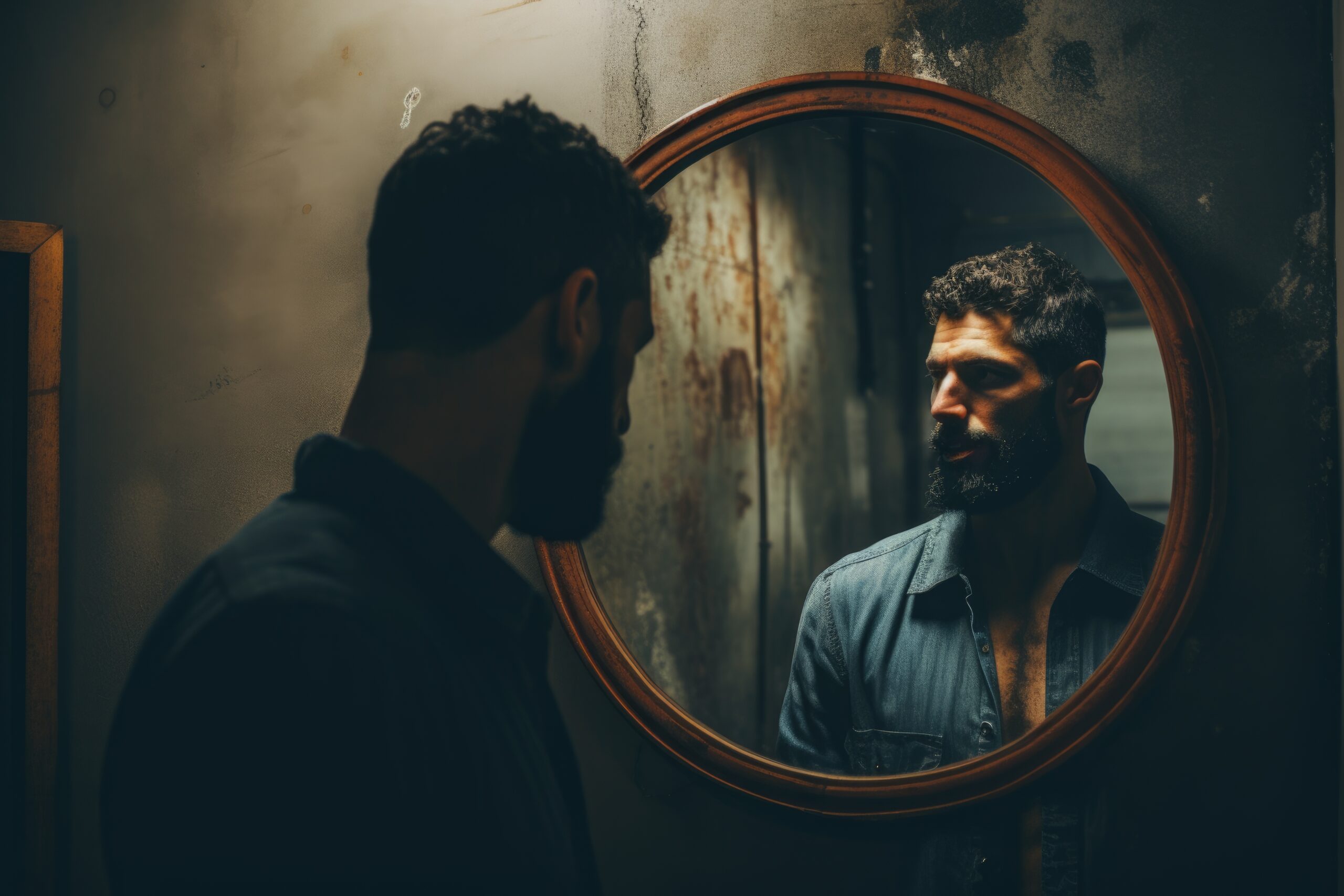
We all claim to want discipline. We read books, watch motivational videos, buy planners, set alarms for 5 a.m., and declare, “This time it’s different.” Yet most people never reach the version of themselves they envision. Why? Because the real discipline—the kind that transforms lives—isn’t the loud, gym-bro version we post about. It’s the quiet, unflinching one we hide even from ourselves. Under the banner of Fanisco—the pursuit of unfiltered self-mastery through raw, unapologetic accountability—this article uncovers the discipline buried beneath layers of denial, excuses, and self-deception.
The Mask of “Trying”
Most people don’t lack discipline; they lack honesty about what they’re actually doing. We say we’re “trying” to get fit, build a business, write the book, or fix the relationship. But “trying” is a comfortable lie. It lets us feel productive without committing to results.
True discipline doesn’t negotiate with effort. It demands proof. When you hide behind “I’m trying,” you’re protecting the fragile ego that fears real measurement. The hidden discipline starts when you stop performing effort for your own applause and start demanding evidence from your actions.
Fanisco isn’t about motivation—it’s about confrontation. You either did the work or you didn’t. No partial credit for intention.
The Comfort of Vague Goals
Specificity terrifies us because it exposes failure. “I want to get in shape” is safe. “I will deadlift 2× bodyweight and run a sub-20 5K by December 31” is terrifying. Vague goals let us hide. We can always claim progress without ever proving it.
The discipline you hide is the one that forces clarity: exact metrics, deadlines, public stakes if necessary. When goals stay fuzzy, discipline stays optional. Precision turns discipline from a feeling into a contract.
People who achieve extraordinary things don’t hide behind ambiguity. They write the numbers, track the reps, log the words. The discomfort of specificity is the price of real progress.
Identity vs. Behavior Mismatch
You say you’re disciplined, but your calendar tells a different story. This mismatch is where self-deception thrives. We build identities around who we want to be—“I’m a writer,” “I’m an entrepreneur,” “I’m healthy”—while our daily behavior screams the opposite.
The hidden discipline is the brutal reconciliation between who you claim to be and what you actually do. It requires staring at the gap without flinching. Every skipped workout, every ignored task, every scroll session is a vote against your claimed identity.
.Fanisco demands alignment: change your behavior until it matches the identity, or change the identity to match the behavior Half-measures only deepen the self-betrayal.
The Negotiation Habit
Your mind is a master negotiator. “I’ll do it tomorrow.” “I deserve this break.” “I’ve earned a cheat day.” These aren’t random thoughts—they’re habitual escapes from discomfort.
The discipline you hide is the refusal to negotiate. It’s treating every internal bargain as treason against your future self. High performers don’t argue with temptation; they don’t even entertain the conversation. The voice gets quieter when ignored long enough.
Breaking the negotiation habit starts small: no debate over the alarm, no justification for skipping the session. Starve the inner lawyer until silence becomes the default.
Fear Masquerading as Discipline
Sometimes we hide discipline behind perfectionism or over-planning. We research endlessly, optimize routines to death, wait for the “perfect” moment. This looks like discipline from the outside—notebooks full, apps stacked—but it’s fear in disguise.
Real discipline acts imperfectly. It ships ugly versions, trains through fatigue, writes through doubt. The hidden version is messy, inconsistent at first, but relentlessly forward-moving.
Perfectionism is procrastination dressed as virtue. Fanisco strips that costume away: progress over polish, action over analysis.
The Accountability Mirage
We tell friends our goals for accountability, post progress pics, join groups. But external eyes often become another hiding place. We perform for likes instead of building for ourselves.
The deepest discipline is private. It’s the reps done at 4 a.m. when no one watches, the journal entries no one reads, the promises kept when failure would be invisible.
True Fanisco accountability starts inward: you become the harshest judge, the only witness who matters. External validation is bonus; self-respect is non-negotiable.
Emotional Avoidance in Disguise
Discipline feels hard because it forces us to feel things we’ve numbed: boredom, loneliness, inadequacy, restlessness. We hide from these emotions by staying busy with low-value tasks or distractions.
The discipline you hide is emotional tolerance—the willingness to sit in discomfort without escape. Building that tolerance is quiet work: no dopamine hit, no quick win, just endurance.
Over time, boredom becomes fuel. Loneliness sharpens focus. Inadequacy drives improvement. Emotions stop being enemies and become signals.
The Compound Cost of Self-Deception
Every time you hide from your own standards, you pay interest. Small lies compound into eroded confidence, stalled momentum, and a growing sense that you can’t trust yourself.
The reverse is true too. Every act of hidden discipline—keeping a promise when no one knows—compounds into unbreakable self-trust. You become the person who shows up, even for yourself.
This is freedom disguised as rigor. Discipline isn’t restriction; it’s liberation from the chaos of whim and excuse.
Reclaiming the Hidden Discipline
Uncovering it requires ruthless honesty:
- Audit your day without mercy—what did you actually do vs. what you said you’d do?
- Eliminate negotiation triggers: delete apps, remove temptations, pre-commit publicly if needed.
- Start micro-non-negotiables: one unbreakable daily act that trains the muscle.
- Measure inputs relentlessly—effort logs beat mood logs.
- Celebrate alignment, not just results. The process is the proof.
Fanisco isn’t a trend or slogan. It’s a mirror held up daily. The discipline you hide is waiting in that reflection—raw, unfiltered, and ready when you stop looking away.
The Ultimate Reckoning
In the end, life judges us not by our intentions or excuses, but by the gap between our potential and our actions. The discipline you hide from yourself is the bridge across that gap.
Stop performing discipline for others. Stop hiding it behind vagueness, perfectionism, or negotiation. Face it head-on, private and unrelenting.
Because the version of you on the other side isn’t built with motivation or hype. It’s forged in the quiet moments when no one is watching—when you finally stop hiding from yourself.