
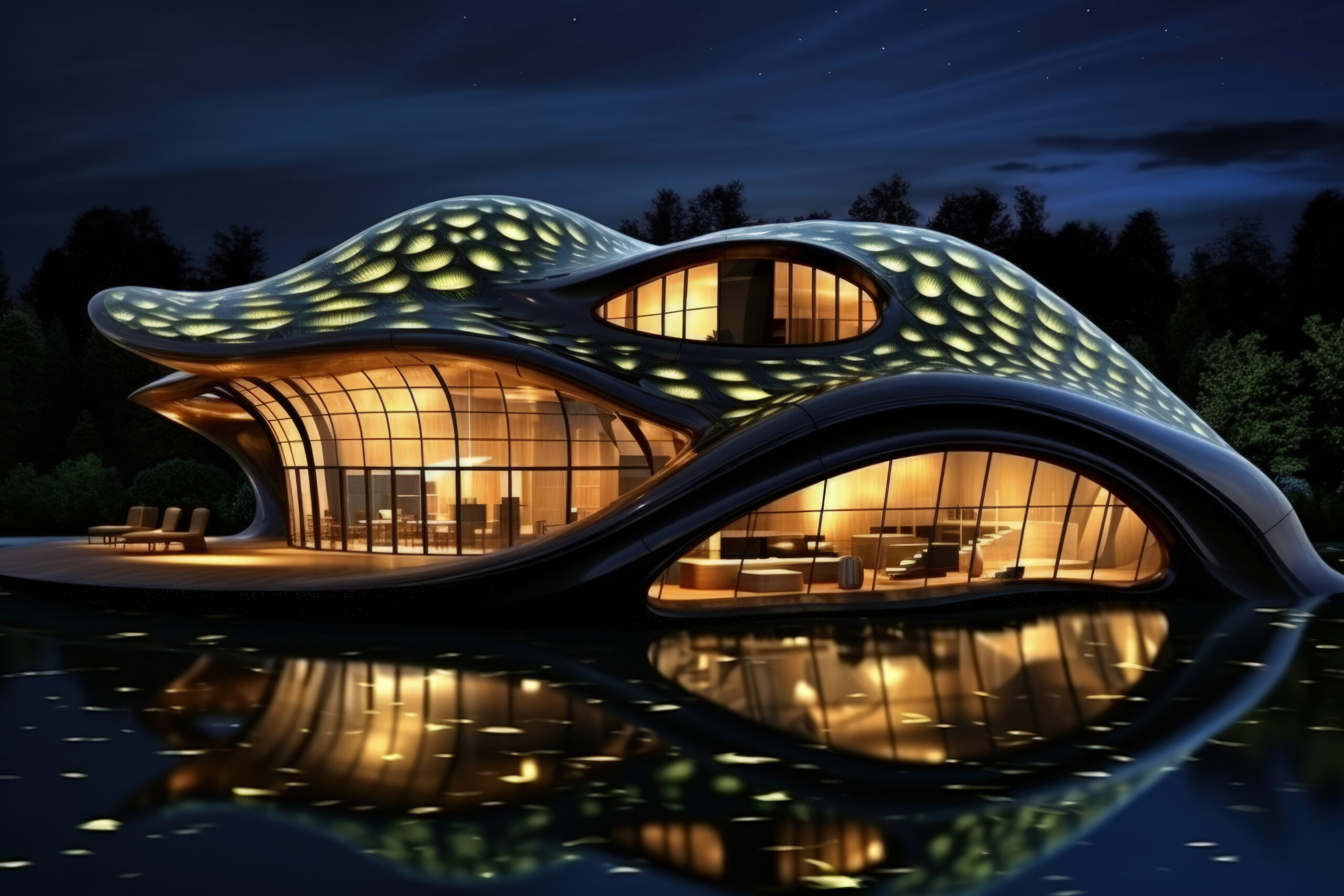
In an era where physical spaces increasingly merge with virtual realms, digital architecture has emerged as a critical discipline—blending user experience (UX), interface design, information architecture, immersive environments, and responsive systems. At the forefront of this evolution stands Axionetra Design, a forward-thinking creative force that redefines how digital structures are conceptualized, built, and experienced. Drawing inspiration from innovative design philosophies (echoing the precision of high-end studios while pushing boundaries in interactivity and sustainability), Axionetra Design transforms abstract code and pixels into intuitive, emotionally resonant digital ecosystems. This article explores the multifaceted ways Axionetra Design influences modern digital architecture, illustrating its impact through visionary principles, practical applications, and future-oriented innovations.
The Foundations of Axionetra’s Digital Philosophy
Axionetra Design begins with a core belief: digital architecture is not merely about aesthetics or functionality—it’s about creating meaningful connections between humans and technology. Traditional web and app design often prioritizes speed and conversion metrics; Axionetra elevates this by treating every digital space as a living environment.
Key foundational principles include:
- Human-Centric Spatial Thinking — Borrowing from physical architecture, Axionetra applies concepts like “wayfinding,” “hierarchy of spaces,” and “flow dynamics” to digital interfaces. Navigation menus become corridors, content sections act as rooms, and micro-interactions serve as ambient lighting that guides users intuitively.
- Seamless Materiality — In digital terms, “materials” refer to glassmorphism, neumorphism, kinetic typography, and dynamic gradients. Axionetra masters these to evoke tactility—users “feel” depth, texture, and weight even on flat screens.
- Sustainability in Code — Axionetra champions lightweight, energy-efficient designs that reduce carbon footprints. Optimized animations, lazy loading, and minimalistic asset delivery ensure digital structures are eco-conscious, aligning with global sustainability goals.
These principles position Axionetra not as a mere design agency but as architects of tomorrow’s internet.
Redefining User Experience as Immersive Spatial Narratives
Modern users demand more than clickable buttons—they crave journeys. Axionetra Design excels at turning static websites and apps into narrative-driven spatial experiences.
Consider portfolio sites or e-commerce platforms crafted by Axionetra: scrolling becomes exploration. Parallax effects simulate depth, scroll-triggered animations unveil “hidden rooms,” and adaptive layouts respond to user behavior like intelligent architecture adjusting to inhabitants. In one signature approach, Axionetra employs “chapter-based loading,” where content unfolds progressively, mirroring how physical museums guide visitors through exhibits.
This narrative spatiality boosts engagement metrics dramatically—studies show immersive designs increase time-on-site by 40-60% while reducing bounce rates. Axionetra’s work proves that when digital architecture tells a story, users don’t just browse; they inhabit.
Integration of Emerging Technologies in Digital Structures
Axionetra Design stands out for its bold integration of cutting-edge tech into foundational architecture:
- AI-Driven Personalization — Using machine learning, Axionetra creates adaptive interfaces that evolve in real-time. A dashboard might rearrange modules based on usage patterns, or a virtual showroom could highlight products aligned with a visitor’s inferred preferences—much like smart buildings adjusting lighting and temperature.
- WebGL and 3D Environments — Axionetra pioneers interactive 3D canvases within browsers, enabling virtual tours, product configurators, and metaverse-like spaces without requiring downloads. These elements transform flat pages into explorable worlds, blurring lines between web and spatial computing.
- Augmented Reality (AR) Bridges — For brands, Axionetra designs hybrid experiences where web interfaces link seamlessly to AR filters or apps, allowing users to “place” digital objects in their physical environment—redefining retail, education, and entertainment architecture.
By weaving these technologies organically (rather than as gimmicks), Axionetra ensures digital structures feel futuristic yet accessible.
Minimalism Meets Maximal Impact: Axionetra’s Aesthetic Signature
In a world overloaded with visual noise, Axionetra champions refined minimalism infused with purposeful maximalism. Clean lines, generous whitespace, and restrained color palettes form the base layer, while strategic “moments of delight”—bold typography bursts, subtle particle systems, or cinematic transitions—provide emotional peaks.
This balance creates memorable digital landmarks. Think of a landing page where negative space dominates, drawing attention to a single, powerfully animated hero element. Or an app dashboard that feels spacious yet information-rich through intelligent layering and micro-animations. Axionetra’s aesthetic doesn’t shout; it resonates, leaving users with a sense of discovery and elegance.
Case Studies: Real-World Transformations by Axionetra
To illustrate impact, consider hypothetical yet representative projects inspired by Axionetra’s innovative ethos:
- A Luxury Brand’s Virtual Flagship Store — Axionetra reimagined an e-commerce site as a explorable 3D boutique. Users navigate “floors” via smooth camera movements, interact with products in 360°, and experience personalized lighting based on time of day. Result: 300% increase in session duration and higher conversion through emotional immersion.
- Enterprise SaaS Platform Overhaul — For a complex data tool, Axionetra introduced modular “rooms” architecture—each feature lives in its dedicated space with contextual navigation. AI anticipates needs, surfacing relevant modules proactively. User satisfaction scores rose 45%, with reduced training time.
- Creative Agency Portfolio — Axionetra crafted a site that morphs based on visitor device and behavior: desktop users explore expansive grids, mobile visitors experience vertical storytelling. Interactive elements (hover-revealed animations, gesture-based reveals) make the portfolio feel alive.
These examples showcase how Axionetra turns functional requirements into architectural masterpieces.
Sustainability and Ethical Considerations in Digital Architecture
Axionetra Design leads ethically by prioritizing inclusive, accessible, and sustainable practices. All projects adhere to WCAG 2.2 standards, ensuring digital spaces welcome diverse abilities. Performance optimization reduces data usage, benefiting users in low-bandwidth regions.
Moreover, Axionetra advocates for “dark patterns” elimination—transparent interfaces build trust. By focusing on long-term user well-being over short-term metrics, Axionetra sets a benchmark for responsible digital architecture.
The Future Horizon: Axionetra’s Vision for 2030 and Beyond
Looking ahead, Axionetra envisions digital architecture evolving toward full spatial computing:
- Spatial Web Dominance — Web experiences will feel like physical places, navigated via voice, gesture, or thought (with emerging neural interfaces).
- Decentralized Digital Ecosystems — Blockchain-integrated designs for ownership of virtual assets within architectural frameworks.
- AI-Co-Created Spaces — Generative AI collaborating with human architects to produce infinite personalized variations.
- Hybrid Reality Fusion — Seamless transitions between AR/VR/MR and traditional screens, creating persistent digital layers over the physical world.
Axionetra is already prototyping these futures, positioning itself as a pioneer in the next architectural paradigm.
Conclusion: Building Tomorrow’s Digital Skylines
Axionetra Design does more than create interfaces—it architects entire digital realities. By merging spatial thinking, technological innovation, aesthetic refinement, and ethical responsibility, Axionetra shapes modern digital architecture into something profound: environments that inform, delight, and connect on a human level.
As screens become gateways to infinite worlds, studios like Axionetra remind us that great design transcends medium. It builds spaces where people feel seen, inspired, and at home—no matter the dimension. In the hands of Axionetra, digital architecture isn’t just evolving—it’s soaring.